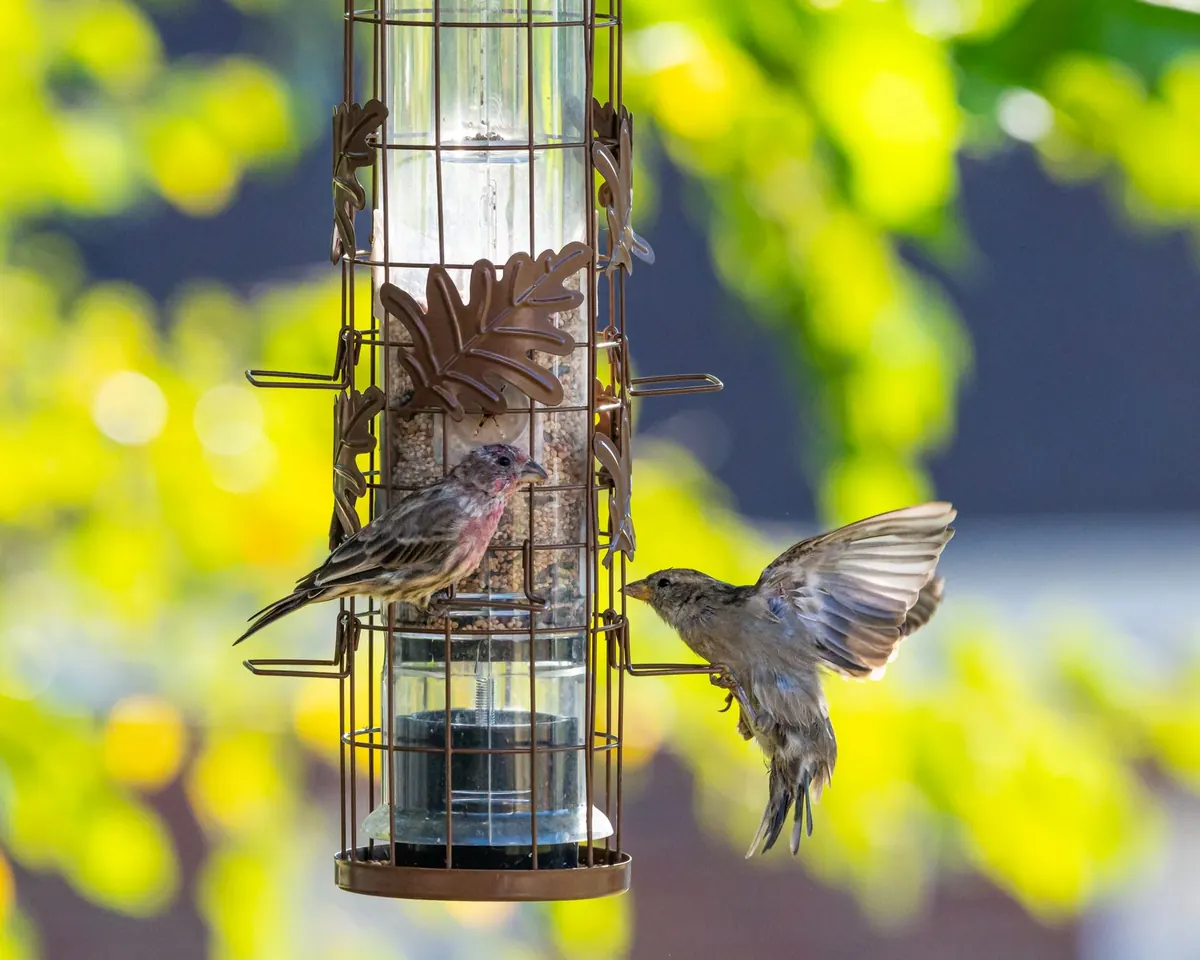
How to Create a Wildlife Pond for Birds: A Step-by-Step Habitat Guide
A practical guide to building a garden pond that birds actually use, covering siting, sloping edges, native planting, shallow bathing shelves and simple ways to keep cats at bay.
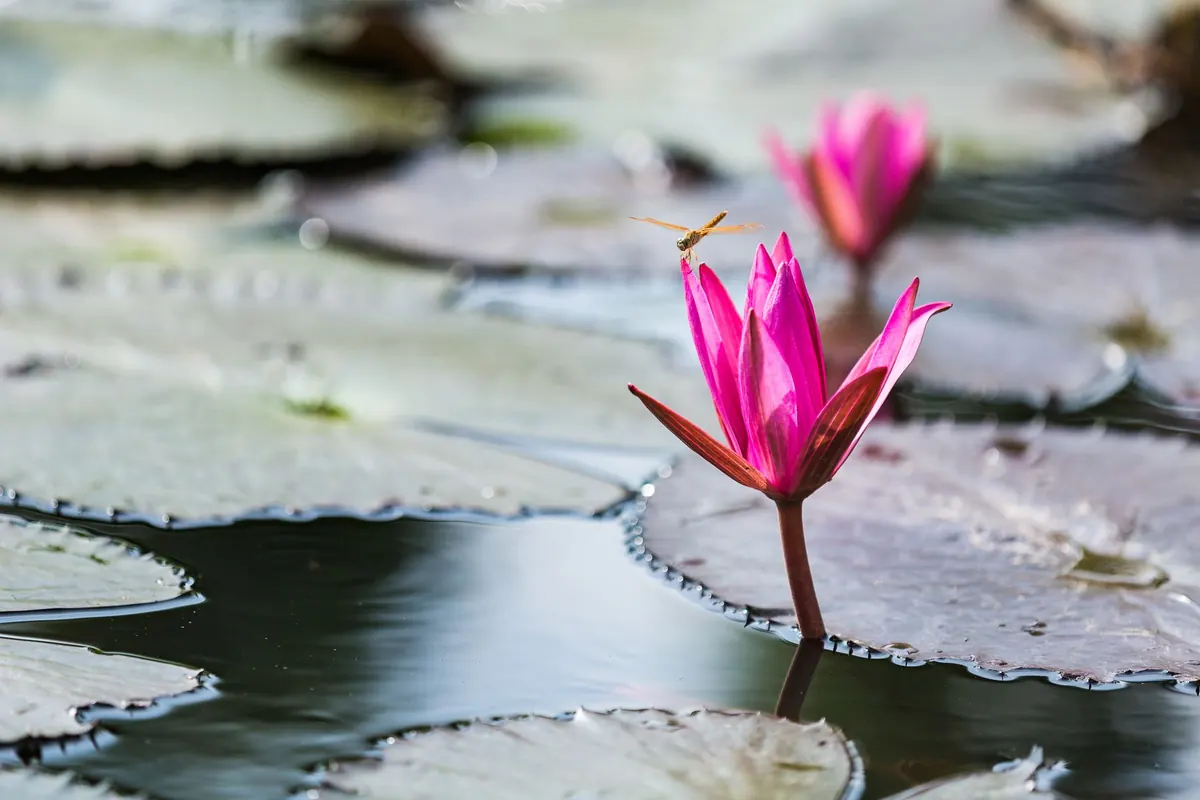
A pond earns its place in a bird-friendly garden in a way few other features do. It supplies drinking water, a proper bath — the deep, splashing kind a bird bath rarely allows — and, once insects move in, a steady larder for chicks through the breeding season. Size is not the deciding factor. A hole a couple of metres across, with one gently sloping side and a shelf shallow enough for a sparrow to stand in, will draw more birds than a larger pond with steep, slippery walls.
Choosing the Right Spot
Aim for part sun, part shade. Full sun all day encourages algae and warms the water faster than small creatures can cope with; deep shade keeps it cold and insects scarce. A spot you can see from a kitchen or sitting-room window is worth choosing deliberately, because you will learn far more about which birds visit and when.
Avoid the lowest point of the garden, where rainwater gathers and carries in soil and anything else it has picked up along the way. Keep the pond a couple of metres clear of bird feeders so seed and husks do not rot in the water, and be wary of overhanging trees: leaves drop, roots invade, and branches give cats a route down to the edge.
Size, Depth and the Shape of the Edges
For a garden wildlife pond, a surface of roughly 1.5–2 metres across is a good target, with a deepest point of around 45–60cm. That is enough to keep the water stable through a hot spell without turning the job into a major excavation.
Depth matters far less than profile. What you are really building is a set of shelves:
- A broad, very shallow shelf, 2–5cm deep, where birds can wade, bathe and drink safely.
- A middle shelf at 20–30cm for marginal plants.
- A deeper centre for oxygenators, and for wildlife to retreat to in cold weather.
Why sloping edges matter
Steep butyl walls are a trap. A blackbird that hops in for a bath needs a way out that does not involve climbing a vertical, slippery surface. Build in at least one gentle beach, and add a half-submerged log or a sturdy ramp of stone in a corner as a spare exit. Hedgehogs, frogs and the occasional mouse will use the same route.
Digging and Lining, Step by Step
- Mark an irregular, kidney-shaped outline with sand or rope. Straight lines look artificial and offer fewer sheltered corners.
- Lift the turf and keep it. It will turf back over the liner edge, and the spoil will make a bank for planting.
- Dig down in layers, cutting the shelves as you go rather than afterwards.
- Check the rim with a plank and a spirit level. If it is out by even a couple of centimetres, the liner will show on one side.
- Pick out sharp stones and roots, then lay a soft underlay — purpose-made fleece, old carpet or a layer of sand.
- Drape the liner loosely and let it settle into the contours. Fold the excess rather than cutting it; you will want the spare.
- Tuck the edges under turf or cover them with flat stones. A bright plastic rim is the one thing guaranteed to keep birds off.
Fill from a water butt if you can. Tap water is not harmful, but it arrives with nutrients that feed algae, so use it slowly and let plants establish before you judge the clarity of the water.
Planting a Pond That Birds Will Use
Plants do the filtering, shelter the insects birds come for, and soften the edges. Plant in baskets of loam and hessian rather than rich compost, which leaches nutrients into the water.
Good natives to start with: hornwort and water starwort as oxygenators; water forget-me-not, marsh marigold and lesser spearwort around the margins; a modest yellow flag iris, which is vigorous once settled. Check that anything you buy is not an invasive species — New Zealand pygmyweed and water fern are best avoided entirely.
Leave a few stones and a small log pile at the water's edge. They give insects somewhere to bask and birds a place to wait before hopping down.
Bathing Water and Sensible Perches
The bathing area should be no more than a few centimetres deep, with a gently sloping bottom and a pebbled approach. Birds respond to the sound of moving water, so a slow drip or a very gentle solar fountain will pull them in from a distance. Keep it calm, though: heavy splashing with no shallow edge defeats the purpose.
Top the pond up in dry spells. One that shrinks to a puddle loses its point, and the insects you have encouraged will disappear with the water. Perches should have a clear view — thin twigs and a flat stone at the edge work well. Birds are at their most vulnerable while wet, so a perch tucked into dense cover close to the ground is a perch for a cat.
Keeping Birds Safe from Predators
Cats cause most losses at garden ponds, and the solutions are structural rather than cruel: sloping exits everywhere, no steep sides, and no dense shrubbery within a metre or two of the water where a cat can lie in wait. Put the thick cover three to five metres back instead — hawthorn, holly or pyracantha — so a bathing bird has a short, clear flight to safety.
Sparrowhawks take birds from ponds too, usually in a low, fast run. You cannot design that away, and a garden with a hawk in it is not a failing garden. Keep the pond where you can see it, keep the approach open, and accept that a wild pond has wild rules.
Keep slug pellets, weedkillers and insecticides well away from the water and its surroundings. Run-off harms water quality and does worse to the invertebrates that feed the birds you are trying to attract.
Looking After It Through the Year
In autumn, net out the bulk of fallen leaves, but leave a few and resist tidying the stems and seed heads around the margins — invertebrates overwinter there. In winter, do not smash ice: the shock can harm creatures in the water. Float a ball to keep a small gap open, or stand a pan of hot water on the surface to melt a hole. Never add salt or antifreeze.
In spring and summer, thin oxygenators, divide crowded marginals, top up with rainwater, and pull blanketweed out by hand rather than reaching for a chemical treatment.
The First Year, and What to Expect
A new pond looks raw and slightly too tidy. Leave it. The water may turn green for a few weeks while algae take advantage of the nutrients in fresh water, and plants will usually sort that out on their own. Insects arrive first, then frogs, then the birds — and birds tend to find a pond sooner than expected. Watch the shallow shelf in particular. That is where the bathing happens, and it is where you will see the species that never quite commit to a bird bath.
Photo: Son Tung Tran / Pexels